stand by, site under construction

Sustainable Technologies
weave. mobility labs
Sustainability built into every layer
Most companies bolt sustainability on as an afterthought. We built it in from the start. Every component of the CUE ecosystem — the materials, the energy, the manufacturing, the batteries, and the logistics — is designed to reduce emissions, eliminate waste, and use resources as efficiently as possible.
Bio-Composite Materials
Built from agricultural waste. Stronger than steel.
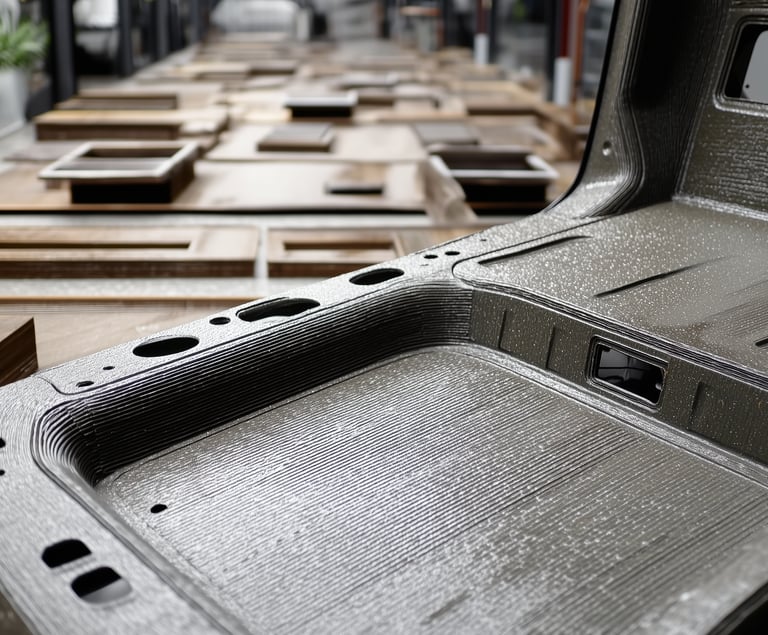
The CUE vehicle body is constructed from bio-composite materials derived from agricultural waste — the kind of material that would otherwise be discarded. It's stronger per kilogram than steel, fully recyclable at end of vehicle life, and significantly cheaper to produce than traditional automotive materials. Generative AI optimises the structure for maximum strength-to-weight, using less material without compromising durability or safety.
Local Micro-Factories
Made near where it's needed. Not shipped across the world.
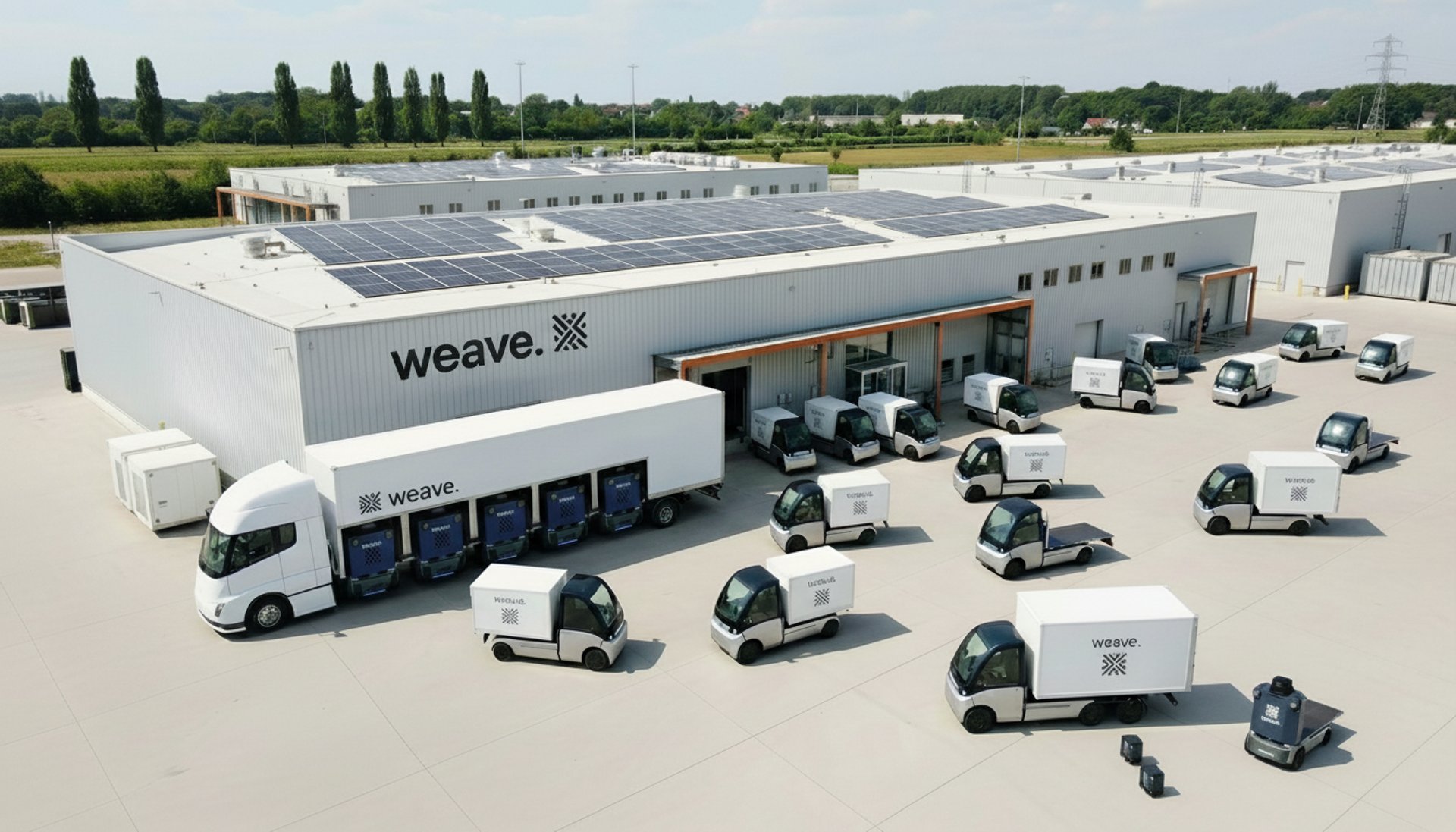
Traditional vehicle manufacturing is centralised in a handful of factories — usually overseas — and finished vehicles are shipped thousands of miles to their destination markets. That shipping is expensive, slow, carbon-heavy, and fragile. Our micro-factory model eliminates it entirely. Each factory is built locally, using locally sourced bio-composite materials and a local workforce. The vehicle is made in the city — or close to it — where it will operate. No container ships. No tariff exposure. No 10,000-mile supply chain for a vehicle that will never travel more than 20 miles a day.
Battery Lifecycle & Swapping
Batteries that never end up in a landfill
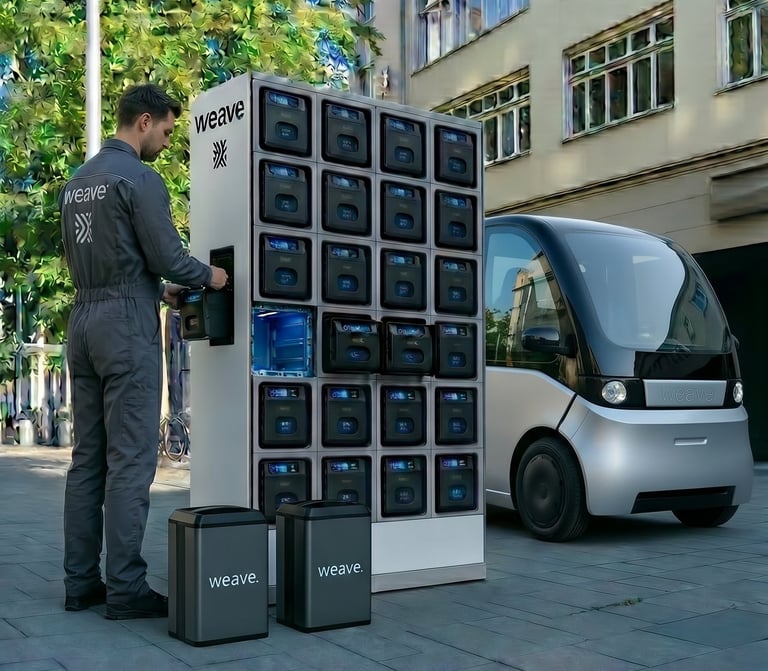
One of the most pressing environmental problems with electric vehicles is what happens to the battery at end of life. With most EVs, the answer is unclear at best. With CUE, it's by design. Because weave.mobility owns and leases every battery pack — rather than selling them to operators — we retain full control over the entire lifecycle. We know where every pack is, how it's performing, when it needs servicing, and when it's ready for recycling. Nothing gets abandoned. Nothing gets lost. Nothing ends up in a landfill.
Modular Multimodal Cargo Hubs
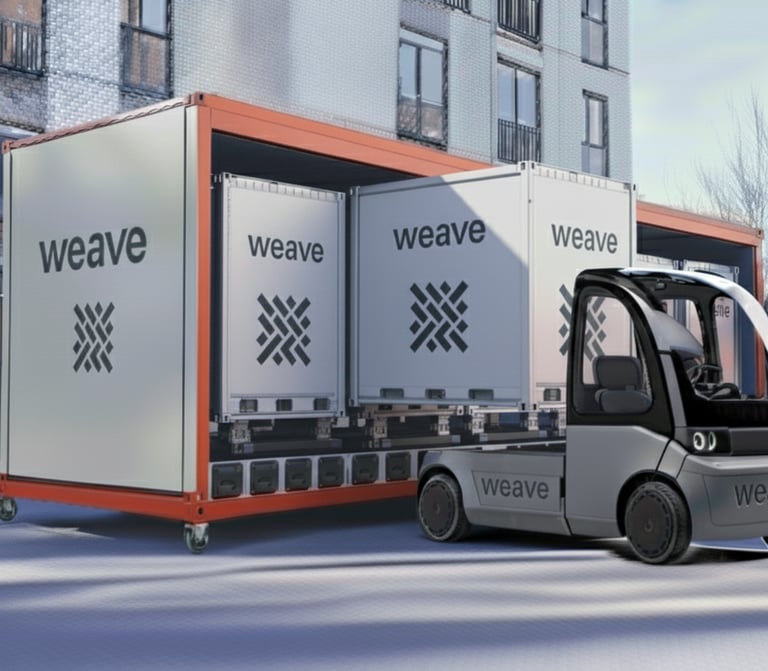
Most delivery inefficiency happens before the vehicle ever leaves the depot — packages mis-sorted, vehicles overloaded for some routes and underloaded for others, drivers wasting time at the kerb figuring out the next stop. Our mobile cargo hubs solve this at the source. Packages are sorted into modular cargo boxes at the hub before departure, grouped by delivery zone, and loaded onto the vehicle that covers that zone. The vehicle leaves knowing exactly what it's carrying and where it's going. No street-side sorting. No backtracking. No wasted miles.
Advanced Local Micro-Manufacturing
Why we're different: We're not just building vehicles;
we're building a new way to manufacture.
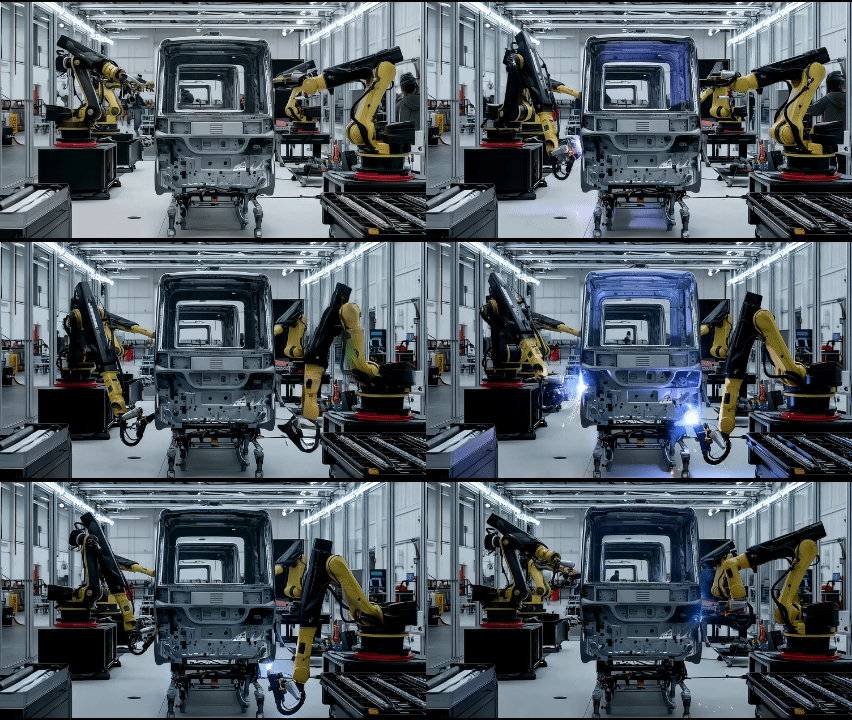
"Lights-Out" Automation: AI-controlled robotics enable 24/7 production with minimal human intervention.
Sustainable Materials: Built from bio-composites derived from agricultural waste, reducing environmental impact.
Globally Deployable: Set up a micro-factory anywhere in 180 days, using local materials and labor to bypass tariffs and supply chain issues.